

Dropper Bottle Size Guide: 1ml to 10ml
By DropperBottles.com Editorial Team · Updated 2026-08-24
Dropper bottle sizes scale visibly: a 1ml bottle stands barely taller than a thumb, ideal for sample testing. 3ml and 5ml sizes suit concentrated serums and essential oils. A 10ml bottle, roughly double the 5ml height, holds about 200 drops at the standard 20-drops-per-mL rate, common for formulator trial batches.
Key Takeaways
- One milliliter contains approximately 20 drops, with each drop measuring about 0.05 mL.
- Dropper bottle sizes range from 1 mL to 10 mL for precise liquid dispensing.
- Drop size varies based on dropper type and liquid viscosity, affecting actual measurements.
- Common dropper bottle applications include serums, CBD products, essential oils, and tinctures.
What Should You Confirm Before Choosing a Dropper Size?
Material and closure compatibility determine whether a dropper bottle performs correctly under real production conditions. A formulator sourcing internally needs to verify three things before placing an order: material, closure fit, and intended product category.
Glass remains the preferred substrate for oils and serums because it offers high clarity, strong chemical resistance, and stability across extreme heat and cold. Formulators storing volatile essential oil blends or active-ingredient serums should confirm the bottle material can withstand their formulation's chemistry without leaching or degrading.
Does the Bottle Accept the Right Closure?
At the smallest sizes, 1ml, 2ml, and 3ml formats are typically sold as glass vials with a standard screw cap rather than a dropper assembly, so formulators needing a squeeze-bulb dropper should confirm the format before ordering. Larger euro round bottles, starting around 5ml, are built specifically to accept tamper-evident, child-resistant, or standard closures fitted with inverted pipettes. Confirming closure type before ordering prevents mismatched threading or dropper assemblies that don't seat properly.
What Product Categories Use Dropper Bottles?
Dropper bottles and vials serve essential oils, tinctures, and pharmaceutical products across multiple industries. Formulators should confirm their product category before finalizing size and closure to avoid regulatory or functional mismatches.
Checklist before ordering:
- Confirm material compatibility with the formulation's chemistry
- Verify closure type: tamper-evident, child-resistant, standard, or vial-only cap
- Match bottle construction to product category and regulatory needs
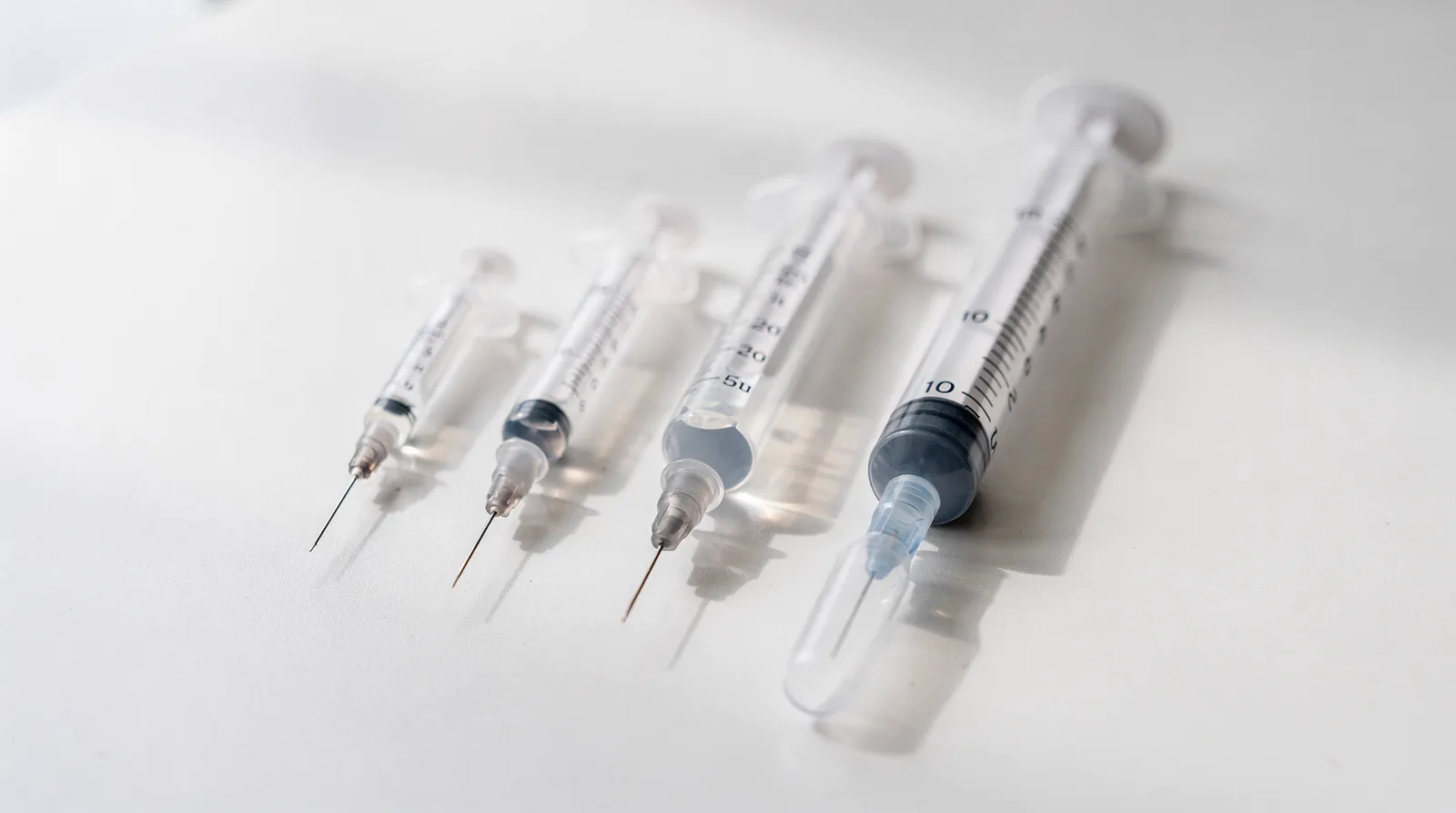
How Do 1mL, 3mL, 5mL, and 10mL Compare?
Capacity determines dosing control, and each size serves a distinct formulation purpose. Smaller volumes like 1mL and 3mL suit concentrated actives and sample-size serums, and typically ship as vials rather than dropper bottles. 5mL and 10mL formats are available both as vials and as euro round dropper bottles, working well for daily-use oils and tinctures requiring repeated dispensing. A useful size reference comes from the 30mL euro round glass bottle, which stands 4.7 cm tall with a 10.3 cm circumference and ships in 110-count sleeves on an 18-DIN neck finish — giving formulators a wholesale-scale anchor for judging proportions against the smaller formats.
For sizes that do ship as dropper assemblies rather than plain vials — generally 5mL and up — one engineering detail is worth knowing: DropperBottles.com's dropper assemblies use the patented DripTrap bulb, engineered to prevent leaking during use and transit. Formulas that need this level of dispensing control should confirm with support whether their target size ships as a vial or a full dropper assembly before ordering, since the two formats aren't interchangeable. Multiple closure styles pair with dropper-assembly sizes, and graduated pipettes remain available for labs that need dosing precision — a feature that matters most where a fraction of a milliliter changes concentration significantly.
Vial vs. Dropper Assembly: What's the Practical Difference?
| Feature | Vial (1–15mL) | Dropper Assembly (5mL+) |
|---|---|---|
| Closure | Standard screw cap | Bulb, cap, and pipette |
| Dispensing control | Pour or spoon out | Drop-by-drop, graduated options available |
| Best for | Sample sizes, raw material storage, fragrance oils | Tinctures, serums, formulas needing precise dosing |
| Leak protection | Standard cap seal | DripTrap bulb design |
This distinction matters most for brands deciding how a customer will actually use the product. A vial works well when the end user measures product with a separate tool or simply pours a small amount, while a dropper assembly is the right call whenever dosing precision is part of the product experience itself — tinctures, CBD oils, and cosmetic actives almost always ship as dropper assemblies rather than plain vials for exactly this reason.
How many drops equal 1mL, 3mL, 5mL, or 10mL?
Pharmaceutical convention places one drop at roughly 0.05 mL, or about 20 drops per milliliter. Applying that standard, formulators can estimate approximate ranges across common capacities:
| Bottle Size | Approx. Drop Count |
|---|---|
| 1mL | ~20 drops |
| 3mL | ~60 drops |
| 5mL | ~100 drops |
| 10mL | ~200 drops |
These figures serve as planning estimates only. Actual drop size shifts with dropper design and liquid viscosity, and note that 1mL and 3mL sizes are usually sold without a dropper bulb at all. Batch testing remains essential before finalizing dosing instructions on product labels.

How Do You Avoid Common Sizing Mistakes?
Sizing errors cost formulators wasted product, mismatched closures, and delayed launches. A reliable size guide treats dosing estimates as starting points, not fixed rules. Drop volume shifts with dropper design and liquid thickness. Formulators comparing 1mL, 3mL, 5mL, and 10mL fill options should test actual output before committing to a production batch.
Three habits reduce sizing risk:
- Confirm neck finish and closure compatibility before ordering pallets.
- Test dosing accuracy with the actual formulation, since viscosity changes drop count.
- Place a small trial order first; returns are accepted within 30 days of purchase, excluding single-item or sample orders, which gives room to test bottle sizes before scaling.
What Size References Should Formulators Trust?
Reliable size references come from testing the bottle with the exact product, not from generic conversion charts alone. Support staff remain available around the clock to confirm sizing, neck finish, and closure options ahead of wholesale orders. That verification step catches mismatches early, before a full production run locks in the wrong size.
FAQ
How many drops are in 1mL, 3mL, 5mL, and 10mL bottles?
Using the standard 20-drops-per-mL rate, a 10mL bottle holds about 200 drops. Each drop measures roughly 0.05 mL, so formulators calculate drop counts for any size by multiplying milliliters by 20.
What material works best for dropper bottles?
Glass is the preferred substrate for oils and serums because it offers high clarity, strong chemical resistance, and stability across extreme heat and cold, preventing leaching or degrading with volatile formulations.
What closure feature prevents leaking on dropper assembly sizes?
Dropper assemblies — generally 5mL and larger — use the patented DripTrap bulb to prevent leaking. Smaller 1mL and 3mL formats typically ship as vials with a standard cap rather than a dropper bulb, so confirm the format before ordering.
What does a 5mL bottle actually look like next to a 10mL bottle?
A 5mL Euro round bottle stands noticeably shorter and narrower than its 10mL counterpart — close in scale to a large lip balm tube — while the 10mL version is closer in height to a small travel-size perfume bottle. Both share the same rounded-shoulder Euro profile, so the size difference comes through mainly in height and circumference rather than shape.
Conclusion
In closing, understanding the dimensional distinctions among standard dropper bottle and vial capacities—from the smallest to the largest sizes presented—enables informed selection for your specific application requirements. Each volume category serves distinct purposes within pharmaceutical, cosmetic, and laboratory contexts, and proper size assessment ensures optimal product containment and user functionality. By referencing the visual comparisons outlined throughout this guide, you establish a clear foundation for procurement decisions that align with your operational needs and regulatory compliance standards.