
Dropper Bottle Labeling: Branding Guide
By DropperBottles.com Editorial Team · Updated 2026-08-19
Dropper bottle label design combines legibility, waterproof materials, and compliance elements like ingredient lists, net contents, and warnings to protect branding and consumer safety. Explore proven label formats across our glass and plastic bottle collections for design inspiration.
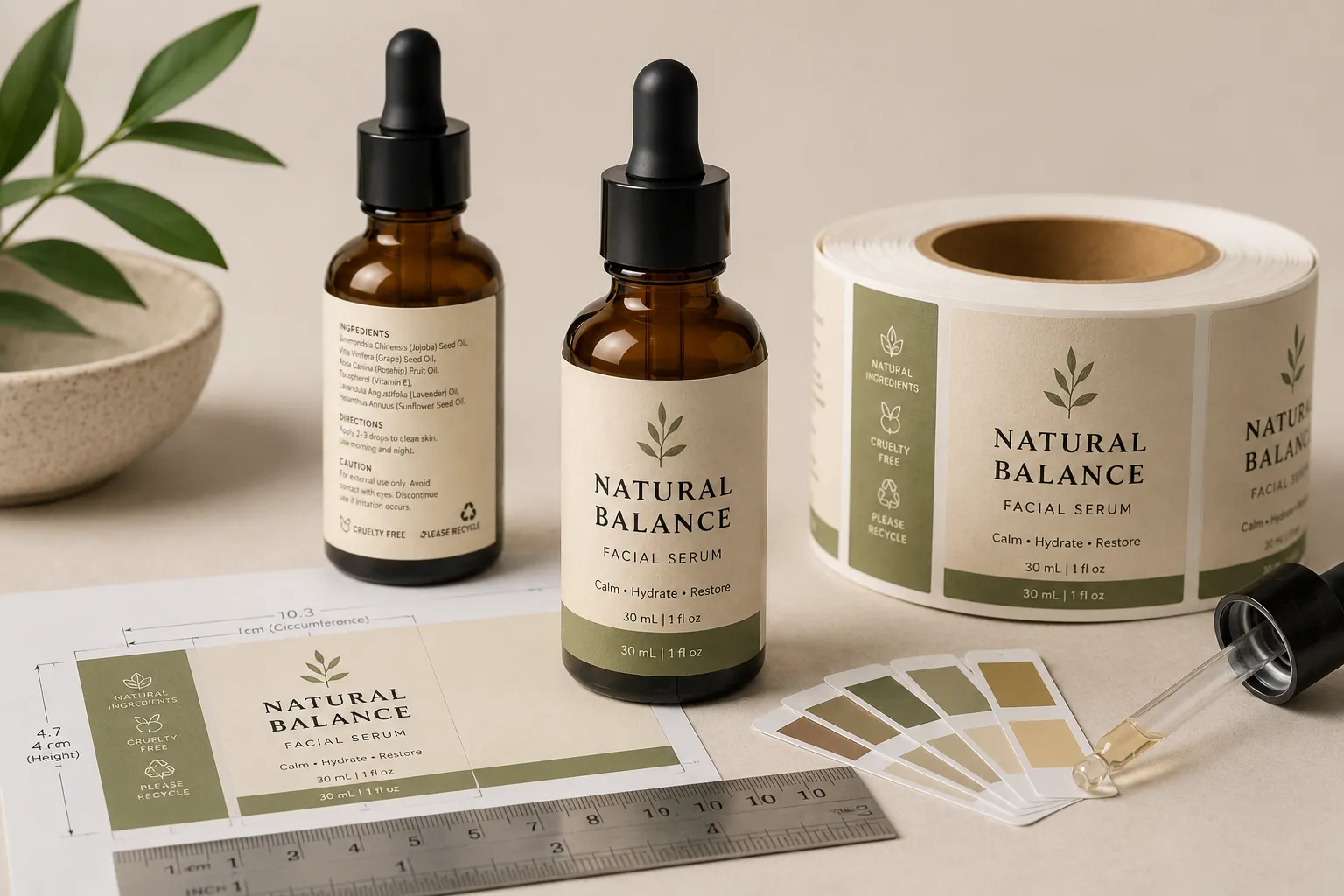
Effective dropper bottle label design balances legibility, brand identity, and compliance, sizing text and graphics to fit compact surfaces like a 30ml Euro round bottle with an 18-DIN neck finish. Labels must prioritize information hierarchy, listing ingredients, net contents, and required warnings clearly. Material choice, waterproof adhesives, and contrast-driven typography strengthen shelf presence while meeting industry labeling regulations.
Key Takeaways
-
Dropper bottle labels serve four essential functions: product identification, usage instructions, branding, and regulatory compliance requirements.
-
Design considerations include size, material selection, legibility standards, information hierarchy, and prominent branding elements for market differentiation.
-
Professional designers create custom labels using templates or print-ready files with waterproof materials and fast turnaround service.
-
Labels must display ingredient lists, net contents, and warning statements, and comply with current industry design standards for 2026.
What Do You Need Before Labeling Dropper Bottles?
Four factors determine label success on dropper bottles: bottle geometry, glass properties, closure hardware, and adhesive material. Skipping any one of these raises the risk of peeling, smearing, or misprinted product information reaching a customer's shelf.
Brand managers preparing a dropper bottle labeling project should confirm the following before ordering a single roll of labels:
-
Neck finish and shoulder shape — a 30mL euro round glass bottle with an 18-DIN neck finish has rounded shoulders and a rounded base. This curvature dictates how far a label can wrap and where the panel edges should sit.
-
Glass characteristics — glass offers high clarity, accepts color tinting, and resists chemicals, heat, and cold. Formulators handling essential oils need adhesives and inks rated for that resistance.
-
Closure and dropper hardware — matching assemblies come in multiple closure styles, often fitted with a leak-resistant dropper bulb built to reduce spillage near the label zone.
-
Label stock — waterproof, self-adhesive material withstands oil contact and repeated handling.
Does bottle shape affect label design?
Yes. Rounded shoulders and bases common to euro-style bottles limit the available label real estate, so dropper bottle packaging design works best with slightly curved or wrap-style panels rather than large rectangular labels.
How Do You Design and Apply a Dropper Bottle Label?
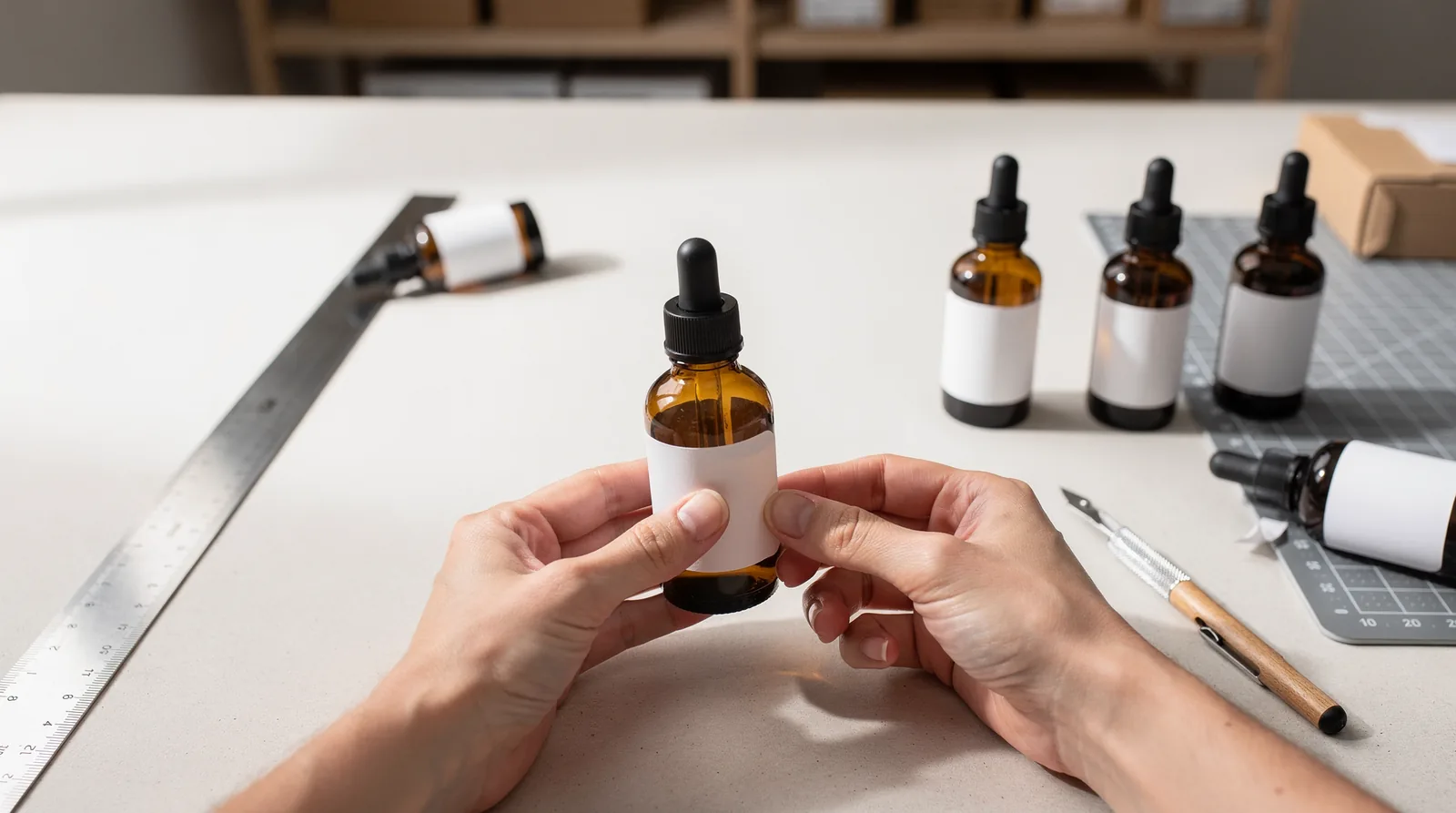
Dropper bottle label design starts with the bottle's own geometry. A standard 30 mL euro round bottle runs roughly 4.7 cm in height with a 10.3 cm circumference — measurements that set the maximum usable label footprint before wrap-around text starts to distort. Brand managers, formulators, and packaging designers should treat this as a hard constraint, not a suggestion. Skipping this step forces last-minute label resizing that delays production runs.
What steps does dropper bottle labeling follow from concept to application?
The process moves from sizing to material selection to print and finally to compliance review. Following a defined sequence prevents rework and keeps regulatory copy legible on a small surface.
-
Measure the bottle's circumference and height to define the label's outer boundary.
-
Select a custom label size from pre-made templates, or upload print-ready artwork for a fully original design.
-
Choose a label format suited to the bottle's shape and material; dropper bottle labeling commonly relies on pressure-sensitive adhesive stock, though shrink sleeves and cut-and-stack formats serve certain profiles better.
-
Confirm full-color digital printing with adhesive backing, which delivers the polished finish retail buyers expect.
-
Apply the label to a clean, dry bottle surface, smoothing from center outward to eliminate air pockets.
Should dosage information appear directly on the label?
Yes, especially when a graduated pipette accompanies the bottle. Dosing markings printed on the label copy reinforce the pipette's calibration lines, reducing consumer confusion. Packaging design for dropper bottles should treat dosage clarity as a safety feature, not decoration, particularly for tinctures and concentrated formulas.
What Mistakes Undermine Dropper Bottle Label Projects?
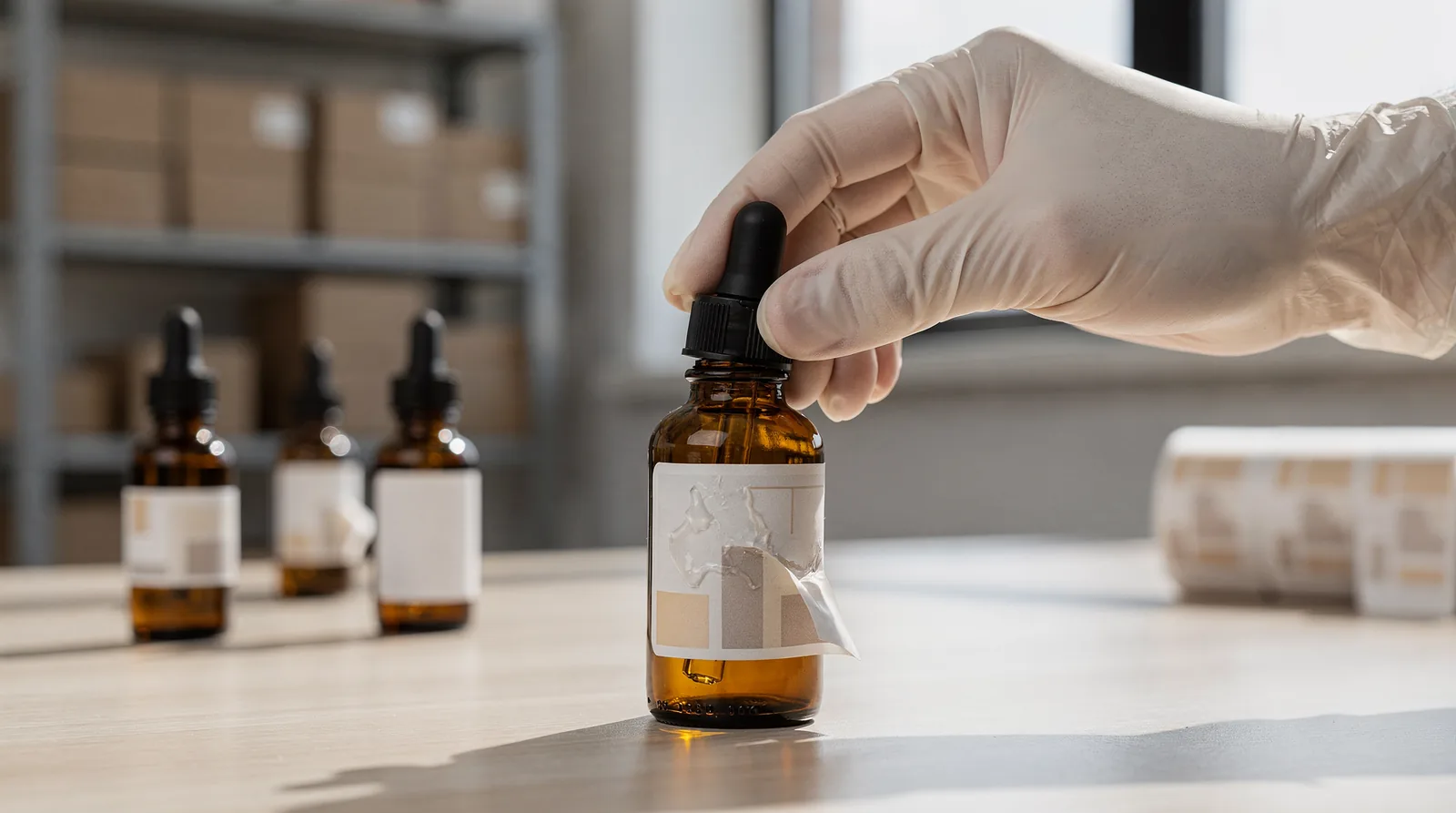
Rushed sourcing and skipped compliance checks derail most dropper bottle labeling projects. Brand owners lose weeks correcting adhesive failures or regulatory rejections that a slower, more deliberate process would have caught early. Four errors account for most of the damage.
-
Ordering from overseas suppliers with unpredictable freight. Sourcing bottles and closures from a domestic warehouse, rather than an overseas facility, reduces the risk of delayed or lost shipments during a labeling run.
-
Skipping adhesion testing before bulk production. A 30-day return window, which excludes single-item or sample orders, gives formulators room to test label adhesion before committing to a full batch.
-
Ignoring payment security during procurement. Secure, encrypted payment processing protects order data when purchasing bottles and closures for dropper packaging design.
-
Bypassing regulatory review. Properly designed labels must satisfy consumer safety standards and evolving regulations, not just shelf appeal.
Why Do Compliance Reviews Get Skipped?
Teams under deadline pressure often treat compliance as a final step rather than a design input. Building regulatory review into early planning prevents costly relabeling later.
Effective dropper bottle label design and branding represents a critical intersection of aesthetic appeal, regulatory compliance, and functional clarity. By prioritizing legible typography, accurate product information, and visual consistency across your packaging, you establish consumer trust and professional credibility. Your label serves as the primary communication vehicle between your brand and your end users, making thoughtful design decisions essential to market success. Investing in quality label execution reinforces your commitment to product integrity and customer satisfaction.
FAQ
Does bottle shape affect label design?
Yes. Rounded shoulders and bases common to euro-style bottles limit the available label real estate. Designs work best with slightly curved or wrap-style panels rather than large rectangular labels.
What factors determine label success on dropper bottles?
Bottle geometry, glass properties, closure hardware, and adhesive material determine success. Skipping any one of these raises the risk of peeling, smearing, or misprinted product information reaching the shelf.
What information must dropper bottle labels display for compliance?
Labels must display ingredient lists, net contents, and required warning statements. This information hierarchy protects consumer safety while meeting industry labeling regulations.