

How to Reuse Dropper Bottles Sustainably
By DropperBottles.com Editorial Team · Updated 2026-08-19
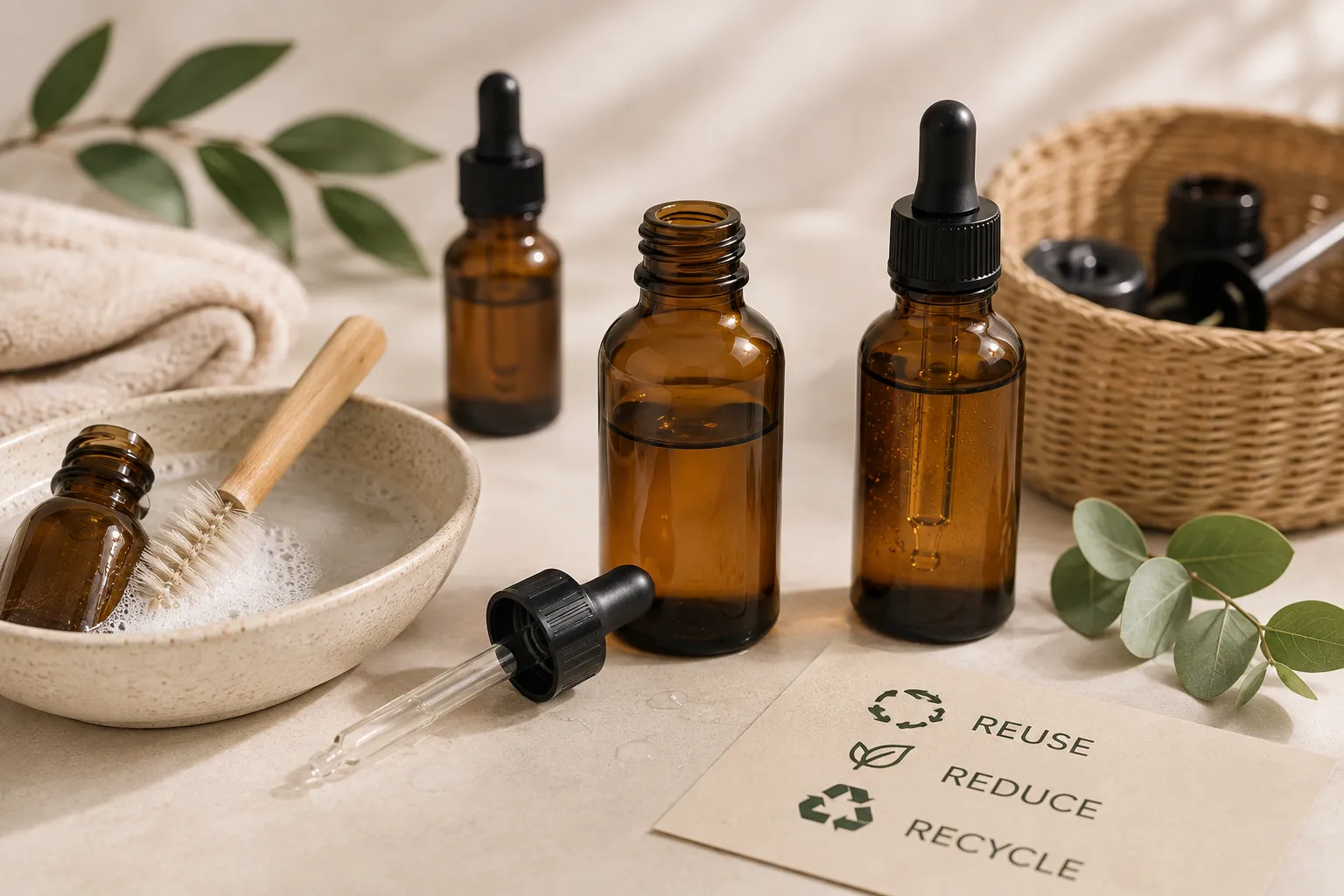
Empty glass dropper bottles, including 30ml Euro round designs with 18-DIN neck finishes, offer durability and chemical resistance ideal for repurposing. Eco-conscious users clean bottles thoroughly, then refill them with homemade facial oils, decanted skincare products, or essential oil blends. Glass recyclability supports sustainable packaging cycles, reducing waste while extending product life beyond original use.
Key Takeaways
-
Empty glass dropper bottles store essential oils, homemade remedies, and other liquids effectively without waste.
-
Glass dropper bottles organize various household liquids while reducing landfill waste through creative repurposing.
-
Proper preparation — cleaning, sourcing replacement parts, and planning the refill — prevents contamination and leaks.
-
Dropper bottle recycling presents specific challenges requiring solutions for proper material recovery and reuse.
What Do You Need Before Reusing Dropper Bottles?
Three items matter before any project starts: clean glass bottles, replacement closures, and a clear plan for the liquid going inside. Skipping preparation risks contamination, leaks, or a bottle that fails halfway through storage. Eco-conscious households and cosmetic brand owners alike benefit from lining these items up before the first cleaning cycle begins.
Glass construction makes the process worthwhile in the first place. High chemical resistance and strong tolerance for both heat and cold mean a glass dropper bottle can withstand repeated washing, sterilizing, and refilling without breaking down. Plastic alternatives rarely offer the same durability across multiple reuse cycles.
Do glass dropper bottles hold up to repeated washing?
Yes. Glass bottles are durable and versatile, which lets them survive routine cleaning without clouding, cracking, or absorbing odors from prior contents. That resilience is exactly why reusing dropper bottles appeals to essential oil enthusiasts who refill the same containers month after month.
Where can replacement parts be sourced?
Worldwide shipping partnerships make it simpler to secure new closures, pipettes, or bulbs at competitive rates and reasonable delivery times when original hardware wears out.
Before starting, gather:
-
Empty glass bottles free of cracks or chips
-
A mild soap or sterilizing solution
-
Replacement caps or dropper assemblies, if needed
-
A defined use case for the refilled liquid
Recycling and reusing dropper bottles properly starts with this short checklist, and it directly reduces landfill waste before a single bottle gets refilled.
How Do You Clean And Repurpose Dropper Bottles?
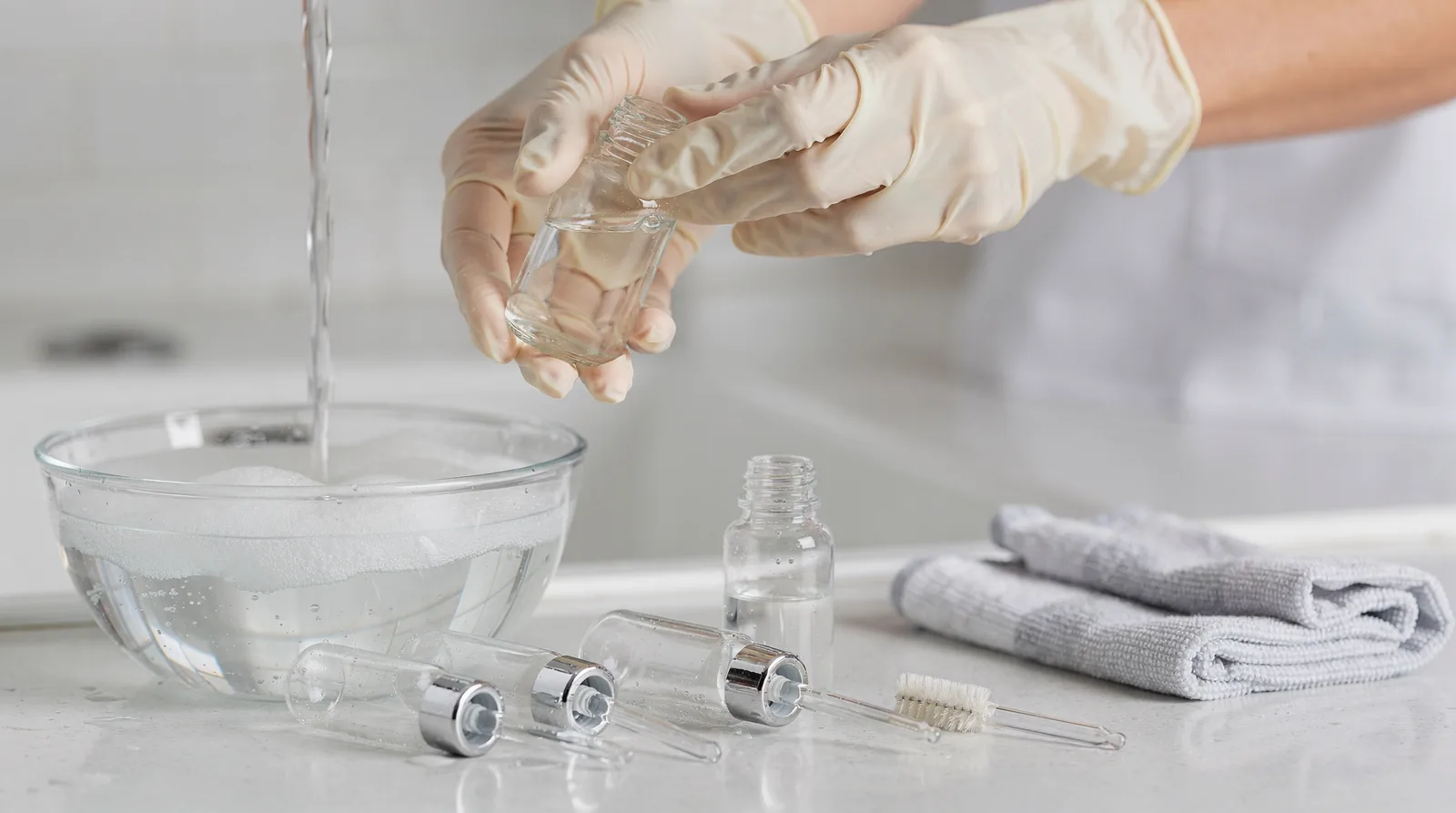
Cleaning starts with hot water, mild soap, and a full rinse cycle to remove oil residue before any new liquid goes in. Glass dropper bottles built on an 18-DIN neck finish, like the standard 30mL euro round style, accept a wide range of replacement caps and inserts, which makes the process straightforward for anyone who wants to reuse dropper bottles at home.
-
Empty the bottle completely and remove the original dropper assembly.
-
Wash the glass with warm soapy water, then rinse thoroughly.
-
Let the bottle air dry upside down for at least a few hours.
-
Inspect the bulb for cracks or stiffness before reinserting.
-
Swap in a dropper assembly fitted with the DripTrap bulb if the original bulb shows wear, since this design eliminates leaking during refills.
-
Choose a graduated pipette when precise measurement matters, such as dosing a homemade tincture or facial serum.
Can a dropper bottle be used for skincare storage?
Yes. A clean bottle works well to decant larger skincare products into a travel-sized container, cutting down on bulky packaging during trips.
Where can replacement parts be ordered?
Replacement bottles and dropper assemblies ship from a single Texas warehouse, which simplifies reorders for anyone managing a regular reuse routine. This single-source model matters for brand owners who need consistent packaging lifecycle practices, and it keeps sourcing simple and repeatable for consumers looking to recycle or reuse their droppers.
What Mistakes Should You Avoid When Recycling Droppers?
Two errors account for most failed recycling attempts: mixing materials and discarding bottles too soon. Both mistakes waste packaging that still holds value for households and cosmetic brand owners alike.
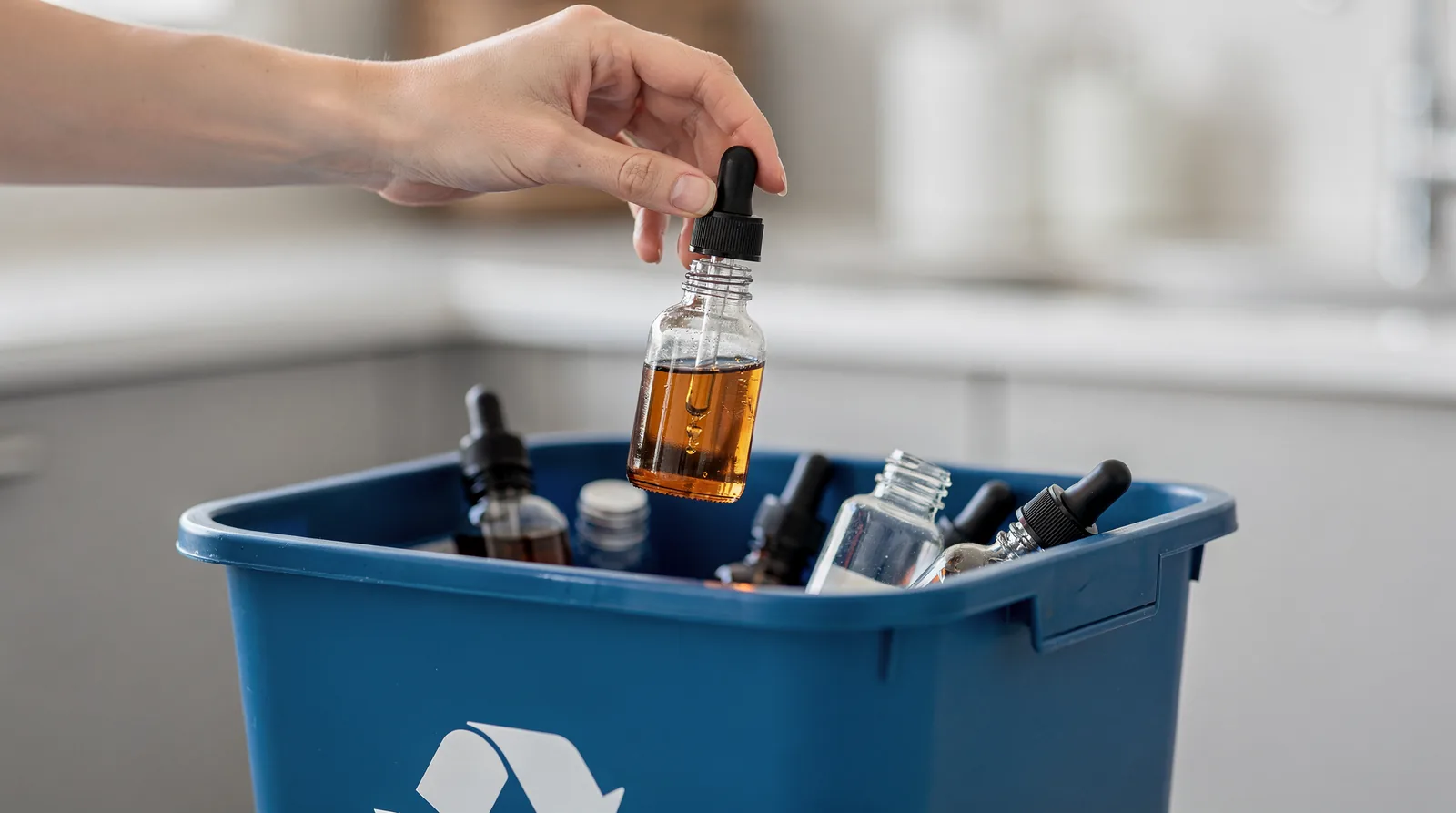
The most frequent misstep involves tossing a bottle into the recycling bin without separating its parts. Glass dropper bottles pair rigid glass with rubber bulbs and plastic pipettes, and municipal recycling streams process these materials differently. Anyone planning to recycle dropper bottles should pull the rubber bulb from the glass body first, since mixed materials often get rejected at sorting facilities.
Is throwing away a dropper bottle after one use a mistake?
Yes. A single-use mindset ignores how many uses these containers offer beyond their original liquid storage role. Before recycling a dropper bottle, consider whether it could serve a second purpose in DIY skincare, oil blending, or travel decanting.
Other mistakes worth avoiding when reusing dropper bottles:
-
Assuming all closures fit interchangeably without checking compatibility
-
Skipping a rinse before repurposing, leaving residue that contaminates new contents
-
Discarding bottles that only need a replacement bulb or cap
Replacement parts that don't fit correctly qualify for returns within 30 days of purchase, excluding single-item or sample orders. Compatibility questions go to a support team available around the clock.
Reusing and recycling dropper bottles represents a meaningful commitment to environmental stewardship and resource conservation. By implementing the practices outlined—thorough cleaning, proper storage, and responsible disposal through appropriate recycling channels—you extend product lifecycles while reducing waste. This approach aligns with sustainable packaging principles and demonstrates accountability toward both environmental and regulatory standards. Dropper bottles, engineered for durability and functionality, deserve thoughtful end-of-life management that honors their quality and minimizes environmental impact.
FAQ
What should you do before reusing a dropper bottle?
Gather clean glass bottles, replacement closures, and a clear plan for the liquid going inside. This preparation prevents contamination, leaks, or bottle failure during storage.
How do you clean a dropper bottle for reuse?
Empty the bottle, remove the dropper assembly, then wash with warm soapy water and rinse thoroughly. Let it air dry upside down for at least a few hours before reinserting the dropper.
What if the original dropper bulb shows wear?
Swap in a dropper assembly fitted with the DripTrap bulb, since this design eliminates leaking during refills. Always inspect the bulb for cracks or stiffness before reinserting it.